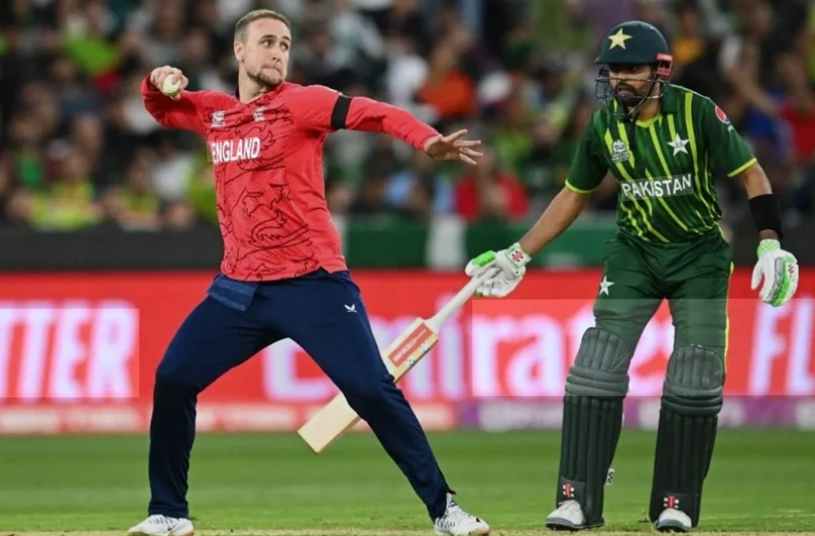
The rivalry between England and Pakistan in international cricket has evolved through decades of shifting momentum, dramatic performances, and contrasting cricket philosophies. From the early days of cautious Test encounters to the modern era of explosive limited overs contests, this timeline reflects how two teams shaped each other’s cricket identity. England brought structure, discipline, and home dominance, while Pakistan introduced unpredictability, raw talent, and match turning brilliance. Across generations, their battles produced unforgettable scorecards, iconic spells, and pressure filled moments that defined careers. This long standing rivalry continues to capture global attention due to its balance of skill, emotion, and competitive uncertainty.
Latest Matches
Date
Tournament / Series
Format
Venue
Result
24 February 2026
ICC Men’s T20 World Cup
T20I
Pallekele International Cricket Stadium
England won by 2 wickets
28 October 2024
England tour of Pakistan
Test
Rawalpindi Cricket Stadium
Pakistan won by 9 wickets
19 October 2024
England tour of Pakistan
Test
Multan International Cricket Stadium
Pakistan won by 152 runs
11 October 2024
England tour of Pakistan
Test
Multan International Cricket Stadium
England won by an innings and 47 runs
30 May 2024
Pakistan tour of England
T20I
The Kia Oval
England won by 7 wickets
25 May 2024
Pakistan tour of England
T20I
Edgbaston Stadium
England won by 23 runs
11 November 2023
ICC Cricket World Cup
ODI
Eden Gardens
England won by 93 runs
All-Time Head-to-Head Record
Format
Total Matches
England Wins
Pakistan Wins
Draws / No Result
Test Matches
89
29
21
39
One Day Internationals (ODI)
92
56
32
4
Twenty20 Internationals (T20I)
29
19
9
1
All-Time Batting Leaders
Player
Team
Span
Matches
Runs
Highest Score
Average
Babar Azam
Pakistan
2015-2026
47
2185
158
48.55
Saleem Malik
Pakistan
1984-1999
45
2096
165
48.74
Alastair Cook
England
2006-2018
24
2042
263
52.35
Younis Khan
Pakistan
2001-2016
39
1934
218
38.68
Javed Miandad
Pakistan
1977-1992
29
1819
260
49.16
All-Time Bowling Leaders
Player
Team
Matches
Innings
Total Wickets
Best Bowling
James Anderson
England
20
38
82
6/17
Abdul Qadir
Pakistan
16
28
82
9/56
Stuart Broad
England
19
36
67
6/25
Wasim Akram
Pakistan
18
30
57
6/67
Waqar Younis
Pakistan
11
18
50
5/91
Early Test Encounters
The earliest meetings between the two sides in Test cricket reflected a period where technique and patience mattered more than aggression. England relied heavily on structured batting line ups and disciplined bowling plans, while Pakistan entered the scene with a sense of unpredictability that often disrupted expectations. Matches during this phase were slow building contests where sessions could swing based on a single spell of bowling or one long batting partnership. The conditions in England often favored seam movement, which tested visiting batters from the subcontinent. However, Pakistan’s ability to adapt quickly created moments where they challenged established English dominance. These early games built the foundation of a rivalry shaped by contrasting cricket cultures, with both teams slowly learning how to exploit each other’s weaknesses across long formats.
Match Phase
Key Feature
Dominant Skill
Match Impact
Early Tests
Defensive play
Swing bowling
Low scoring games
Opening tours
Adaptation struggle
Technique under pressure
Frequent collapses
Home conditions
Seam advantage
Line and length bowling
Advantage England
Touring matches
Resilience building
Spin and reverse swing
Competitive draws
Emerging Competitive Phase
As international cricket expanded, the competitive balance between the two teams began to improve. Pakistan started producing more consistent batting performances, reducing the earlier pattern of collapses. England, on the other hand, strengthened their bowling depth and focused on building longer batting innings. This phase saw matches becoming more evenly contested, with fewer one sided results and more drawn or closely finished games. Tactical awareness increased, with captains using field placements and bowling rotations more strategically. Players from both sides began to study each other more closely, leading to improved preparation and sharper execution on the field. The rivalry slowly transformed into a contest where momentum shifts became common, and no team could rely purely on home advantage or past reputation.
Match Phase
Key Feature
Dominant Skill
Match Impact
Transition era
Balanced contests
Batting stability
Close results
Mid series games
Tactical planning
Field strategy
Reduced margins
Batting growth
Longer innings
Shot selection
Higher totals
Bowling depth
Varied attack
Consistency
Even competition
Pace Bowling Dominance Era
This phase of competition is remembered for the rise of fast bowling attacks that defined match outcomes. Pakistan developed a world class pace unit capable of reversing matches within a single session, while England responded with their own structured seam attacks. Batters from both sides often struggled under pressure when facing high speed deliveries and unpredictable movement. Matches frequently featured early wickets, creating unstable scorecards and dramatic recoveries. The psychological pressure created by fast bowling became a defining feature of this era, influencing how teams selected their playing elevens. Field placements became more aggressive, and captains focused heavily on attacking plans rather than defensive containment. This was also the period where individual brilliance from fast bowlers often overshadowed batting performances.
Match Phase
Key Feature
Dominant Skill
Match Impact
Fast bowling rise
High pace attack
Swing and seam
Quick wickets
Pressure spells
Early breakthroughs
Short pitched bowling
Batting collapses
Tactical aggression
Attacking fields
Strike bowling
Low scoring matches
Star performers
Individual impact
Reverse swing
Match turning spells
Limited Overs Transformation
The introduction and growth of limited overs cricket changed the nature of contests significantly. Matches became faster, more aggressive, and heavily influenced by batting power and death over execution. England focused on structured batting acceleration, while Pakistan leaned on natural flair and unpredictable momentum shifts. Scorecards began to reflect higher totals and quicker scoring rates. Bowlers had to adapt to variations, slower deliveries, and yorker accuracy under pressure. Fielding standards also improved as both teams realized the importance of saving runs in shorter formats. This phase brought entertainment and unpredictability, with matches often decided in the final overs. The rivalry became more visible globally due to televised coverage and growing fan engagement.
Match Phase
Key Feature
Dominant Skill
Match Impact
ODI growth
Faster scoring
Power hitting
High totals
Death overs
Pressure execution
Yorkers and variations
Close finishes
Fielding upgrade
Athletic saves
Ground coverage
Reduced boundaries
Batting aggression
Risk taking
Strike rotation
Momentum shifts
World Tournament Clashes
International tournaments added a new level of intensity to encounters between the two sides. Every match carried knockout pressure or group stage consequences, increasing the emotional weight on players. England often entered tournaments with structured game plans, while Pakistan relied on unpredictable brilliance that could change entire match situations. These games were known for sudden collapses, unexpected match winners, and dramatic turning points. A single partnership or bowling spell often defined qualification outcomes. Crowd energy also played a major role, with fans from both sides creating a charged atmosphere. These matches are often remembered more for pressure moments than technical dominance, highlighting how mental strength became as important as skill execution.
Match Phase
Key Feature
Dominant Skill
Match Impact
Tournament games
High pressure
Mental strength
Qualification results
Knockout matches
Do or die
Big match temperament
Sudden exits
Group stage battles
Strategic play
Net run rate focus
Tight standings
Pressure innings
Clutch performance
Finishers
Match defining moments
Modern Tactical Evolution
In recent years, cricket strategy has become heavily data driven. Both sides analyze player matchups, pitch behavior, and scoring zones in detail before every game. England has developed a more aggressive white ball approach with emphasis on strike rate and boundary percentage, while Pakistan has refined its balance between flair and structure. Bowlers now use variations more intelligently, and batting units are built around flexibility rather than fixed roles. Matches are often decided by micro battles such as powerplay overs or middle over containment. This era reflects a more professional and calculated version of the rivalry where planning and execution are equally important. Despite this, unpredictability still remains a core feature, especially in shorter formats.
Match Phase
Key Feature
Dominant Skill
Match Impact
Data driven era
Match analytics
Strategic planning
Optimized gameplay
Powerplay focus
Early scoring
Aggressive batting
Fast starts
Bowling variations
Controlled execution
Slower balls
Reduced scoring rate
Flexible roles
Squad depth
Adaptability
Balanced outcomes
Recent Competitive Balance
The most recent phase of encounters shows a highly balanced rivalry where neither side maintains long term dominance. England and Pakistan have exchanged victories across formats, often in closely fought matches that go down to final overs or final sessions. Player performances have become more consistent, with both teams relying on experienced leaders and emerging young talent. Batting depth and bowling versatility now define outcomes more than individual brilliance alone. Conditions still play a major role, but adaptability has reduced home advantage gaps. Modern scorecards often reflect tight margins, showing how evenly matched the teams have become. Fans now expect uncertainty whenever these two sides meet, as both are capable of winning from any situation.
Match Phase
Key Feature
Dominant Skill
Match Impact
Modern contests
Balanced rivalry
All round performance
Close finishes
Experienced core
Leadership impact
Game management
Stable innings
Young talent rise
Energy and pace
Quick scoring
Dynamic matches
Tight finishes
Pressure handling
Death overs skill
Final over results
Conclusion
The journey of this rivalry shows how cricket evolves while emotions remain constant. England and Pakistan have built a timeline filled with shifting dominance, legendary performances, and unforgettable turning points across formats. Each era brought new heroes, tactical changes, and tighter contests that kept fans engaged worldwide. What makes this rivalry special is its unpredictability, where form often matters less than momentary brilliance. From historic Test battles to modern white ball thrillers, the story continues to grow. Today, both teams stand as equals on most occasions, ensuring that every future encounter adds another memorable chapter to this ongoing cricket saga.