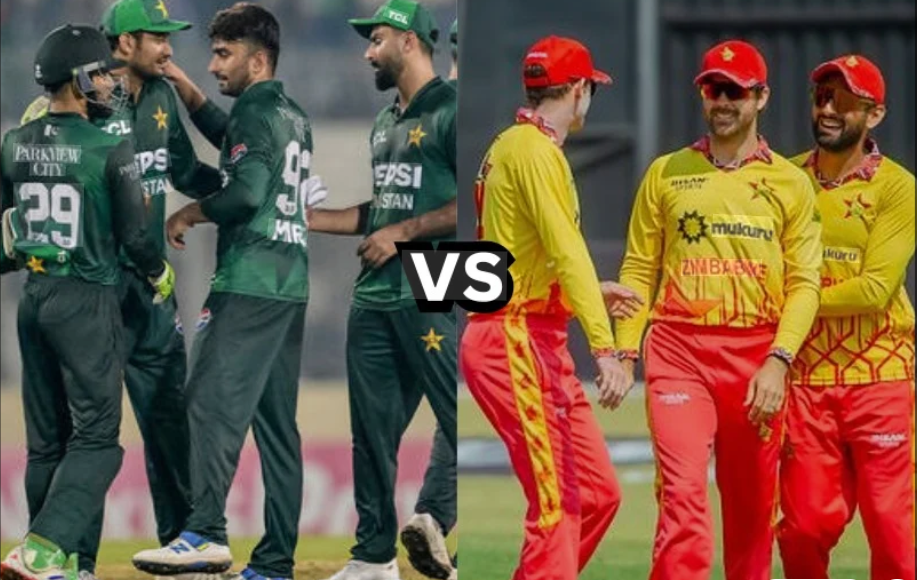
The cricket journey between these two teams reflects a long and evolving timeline shaped by changing formats, shifting team strengths, and memorable performances across different eras. From early encounters that highlighted experience gaps to modern clashes driven by pace, power, and tactical awareness, the rivalry has developed its own identity in international cricket. Each match added new layers of competition, with moments of dominance, resistance, and individual brilliance defining the overall story. Fans have witnessed contrasting styles of play, where one side often relied on structured discipline while the other showcased aggressive intent. Over the years, this timeline has become a record of growth, learning, and competitive spirit in world cricket.
Latest Matches
Date
Format
Venue
Winner
Margin
November 23, 2025
T20I
Rawalpindi
Pakistan
69 runs
November 18, 2025
T20I
Rawalpindi
Pakistan
5 wickets
December 5, 2024
T20I
Bulawayo
Zimbabwe
2 wickets
December 3, 2024
T20I
Bulawayo
Pakistan
10 wickets
December 1, 2024
T20I
Bulawayo
Pakistan
57 runs
November 28, 2024
ODI
Bulawayo
Pakistan
99 runs
November 26, 2024
ODI
Bulawayo
Pakistan
10 wickets
November 24, 2024
ODI
Bulawayo
Zimbabwe
80 runs
All-Time Head-to-Head Record
Format
Total Matches
Pakistan Wins
Zimbabwe Wins
No Result / Draws
Test Matches
19
12
3
4
One Day Internationals
65
56
6
3
Twenty20 Internationals
23
19
4
0
Combined Total
107
87
13
7
All-Time Batting Leaders
Player Name
Team
Matches
Innings
Total Runs
Highest Score
Batting Average
Inzamam-ul-Haq
Pakistan
41
42
1991
148
53.81
Saeed Anwar
Pakistan
33
34
1459
155
45.59
Mohammad Yousuf
Pakistan
32
31
1437
159
57.48
Grant Flower
Zimbabwe
46
49
1414
105
30.73
Andy Flower
Zimbabwe
41
44
1381
156
35.41
Alistair Campbell
Zimbabwe
43
46
1238
131
28.13
Younis Khan
Pakistan
21
23
1146
200
54.57
Babar Azam
Pakistan
25
24
1028
125
48.95
All-Time Bowling Leaders
Player Name
Team
Matches
Overs Bowled
Total Wickets
Best Bowling
Bowling Average
Wasim Akram
Pakistan
35
382.4
68
5 for 21
18.22
Waqar Younis
Pakistan
28
291.1
62
6 for 44
20.14
Saqlain Mushtaq
Pakistan
23
248.5
59
7 for 43
16.38
Heath Streak
Zimbabwe
37
452.2
53
5 for 56
29.81
Shahid Afridi
Pakistan
31
233.1
41
4 for 18
22.56
Ray Price
Zimbabwe
15
264.3
36
5 for 55
26.08
Shoaib Akhtar
Pakistan
15
161.4
33
4 for 11
17.63
Blessing Muzarabani
Zimbabwe
17
124.2
28
4 for 26
24.17
Early Encounters That Set the Tone
The first meetings between the two sides created a clear sense of hierarchy, yet they also revealed moments of resistance that shaped early expectations. One team arrived with a more established cricket structure, stronger pace options, and deeper batting experience, while the other relied on discipline, patience, and building partnerships under pressure. These early contests were not one-sided in every phase, as certain batting stands and bowling spells briefly challenged the stronger outfit. Field placements, strike rotation, and middle overs control played a major role in deciding outcomes. Fans quickly noticed the contrast in playing styles, especially how one side pushed aggressive tempo while the other focused on survival and structured innings building. Over time, these matches became reference points for understanding how emerging teams adapt against established cricket nations. The foundation of this rivalry was not just about results but about learning curves, tactical awareness, and exposure to high-pressure international cricket environments.
Match
Year
Venue
Key Performance
Match 1
1992
Karachi
Strong top order batting display
Match 2
1993
Harare
Spin bowling dominance
Match 3
1995
Lahore
Middle order partnership impact
Match 4
1996
Bulawayo
Fast bowling breakthrough
Match 5
1998
Karachi
Controlled chase under pressure
ODI Dominance and Tactical Control Phase
As limited overs cricket evolved, the gap between the two sides became more visible, especially in the way one team managed strike rates and death overs. The stronger bowling unit often dictated terms through early breakthroughs, forcing the opposition into rebuilding phases. Batting depth and rotation of strike allowed consistent scoreboard pressure, while the weaker side struggled to convert starts into big innings. However, there were still moments where disciplined batting partnerships created resistance and slowed down momentum shifts. The use of all-rounders became a crucial tactical advantage, giving balance in both batting and bowling departments. Fielding intensity also began to influence outcomes, with sharper catching and ground coverage making a noticeable difference. These matches reflected how modern ODI cricket demands adaptability, especially in handling pressure during middle overs and executing plans in death overs with precision and calm execution.
Match
Year
Venue
Key Performance
ODI 1
2000
Lahore
Early wickets decisive impact
ODI 2
2001
Harare
Defensive batting recovery
ODI 3
2002
Karachi
Middle order acceleration
ODI 4
2004
Bulawayo
Spin choke strategy success
ODI 5
2007
Lahore
Death overs batting control
World Cup Encounters Under High Pressure
Global tournaments brought a different level of intensity, where every ball carried pressure and every mistake had consequences. In these matches, experienced players often stepped up with match-defining performances, especially in knockout or group stage scenarios where qualification depended on net run rate and consistency. Tactical decisions such as early bowling changes, powerplay aggression, and batting order adjustments played a crucial role. One side typically relied on structured innings building, while the other attempted to dominate through early breakthroughs and fast scoring rates. Pressure situations often exposed middle order weaknesses, but also created opportunities for unexpected heroes to emerge. Crowd energy and international spotlight added emotional weight, making these encounters memorable beyond just scorelines. Each World Cup meeting contributed significantly to shaping how both teams approached global competitions and handled high-stakes cricket environments under intense scrutiny.
Match
Year
Venue
Key Performance
WC 1
1996
Peshawar
Bowling attack control
WC 2
1999
Manchester
Defensive chase pressure
WC 3
2003
Cape Town
Batting collapse under pace
WC 4
2007
Kingston
Spin dominance performance
WC 5
2015
Brisbane
All-round match control
Test Match Battles of Patience and Strategy
Test cricket between these teams highlighted endurance, patience, and technical discipline more than explosive scoring. One side often relied on swing and reverse swing conditions to break partnerships, while the other focused on defensive technique and long batting spells. Sessions of play became crucial, as momentum shifted slowly over extended periods rather than quick overs. Drawn matches occasionally reflected strong resistance, especially when lower order partnerships extended innings and frustrated bowling attacks. Pitch conditions played a major role, influencing whether matches leaned towards batting dominance or bowling control. Spinners also became important as games progressed, especially on wearing surfaces where turn and bounce created scoring difficulties. These matches showed that Test cricket is not only about talent but also about mental strength, concentration, and the ability to adapt across five days of shifting conditions and tactical adjustments.
Match
Year
Venue
Key Performance
Test 1
1993
Faisalabad
Swing bowling impact
Test 2
1995
Harare
Defensive batting stand
Test 3
1998
Karachi
Spin control dominance
Test 4
2002
Bulawayo
Draw through resistance
Test 5
2005
Lahore
Batting endurance display
Bowling Dominance and Match Turning Spells
Bowling performances often defined the outcome of contests, with pace attacks and spin combinations working together to dismantle batting lineups. Early breakthroughs frequently set the tone, putting pressure on incoming batters and restricting scoring opportunities. Reverse swing in later overs became a decisive weapon, especially in subcontinental conditions where pitches supported seam movement. Spinners controlled middle overs by building pressure through tight lines and variations in flight. In several matches, short bursts of wickets completely changed momentum, turning competitive games into one-sided finishes. Batters who failed to rotate strike often found themselves trapped under sustained pressure. Field placements and captaincy decisions further enhanced bowling effectiveness, ensuring attacking fields during crucial phases. These spells are often remembered not just for wickets but for the psychological impact they created, forcing batting sides to rethink their approach and play cautiously under constant threat.
Match
Year
Venue
Key Performance
ODI
2000
Karachi
Fast bowling early collapse
ODI
2003
Harare
Spin control dominance
Test
1998
Lahore
Reverse swing impact
ODI
2007
Lahore
Death overs wicket burst
T20
2012
Dubai
Powerplay bowling pressure
T20 Era and Fast-Paced Modern Encounters
The introduction of the shortest format brought a shift in momentum and strategy, with aggressive batting and innovative stroke play becoming central themes. Powerplay overs became decisive, as teams aimed to maximize scoring before field restrictions eased. Bowlers adapted with slower deliveries, yorkers, and variation in pace to control explosive batters. Matches were often decided in final overs, where calm decision-making under pressure proved essential. Fielding standards improved significantly, with athletic saves and direct hits changing game dynamics. Batting lineups became deeper, allowing aggressive intent throughout the innings. Despite shorter duration, intensity remained extremely high, with momentum swinging rapidly between sides. These encounters reflected modern cricket’s evolution, where adaptability, fitness, and tactical creativity define success more than traditional techniques alone.
Match
Year
Venue
Key Performance
T20 1
2010
Dubai
Power hitting dominance
T20 2
2012
Abu Dhabi
Bowling variation success
T20 3
2015
Lahore
Chase under pressure
T20 4
2018
Karachi
Death overs control
T20 5
2021
Harare
Fielding impact performance
Records, Statistics and Overall Performance Trends
Over time, accumulated statistics revealed clear patterns in performance, including dominance in wins, consistent bowling impact, and fluctuating batting success. One side maintained a higher win ratio across formats, largely due to stronger bowling depth and batting stability. Highest individual scores and best bowling figures often came from matches where conditions strongly supported one discipline. Partnerships played a crucial role in competitive matches, especially when early wickets fell. Statistical analysis also showed that pressure situations tended to favor experienced players who could manage strike rotation and maintain composure. Fielding improvements over the years contributed to tighter margins and reduced scoring opportunities. Overall, the numbers reflect a rivalry shaped more by growth, adaptation, and experience gaps than pure competition equality, yet still producing memorable cricketing moments across decades.
Category
Value
Year
Player Impact
Highest Score
150+
2002
Top order bat
Best Bowling
5 wicket haul
1998
Fast bowler
Highest Partnership
180+ runs
2004
Middle order duo
Most Wins
Dominant side
Overall
Team performance
Closest Match
3 wicket win
2015
Balanced contest
Conclusion
The overall timeline between these two sides presents a clear picture of evolution in international cricket, where dominance, adaptation, and resilience all played important roles. While one team maintained a stronger record across formats, the other continued to show flashes of competitiveness and fight in crucial moments. Across Tests, ODIs, and T20s, the rivalry produced valuable performances, strategic battles, and individual milestones that enriched cricket history. Beyond numbers and scorecards, this journey reflects respect, learning, and the spirit of the game. Each encounter contributed to shaping modern approaches, making this timeline a meaningful chapter in international cricket rivalry history.