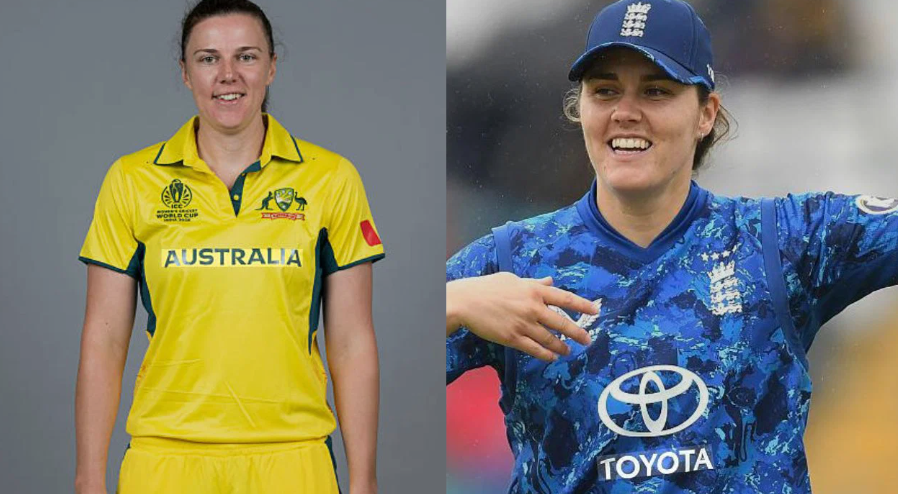
The rivalry between the women’s teams of Australia and England stands among the most respected contests in international cricket history. Across different generations, both sides have produced unforgettable matches filled with pressure, skill, emotion, and tactical brilliance. From timeless Test battles to dramatic ODI finishes and explosive T20 clashes, every encounter has carried pride and expectation. Legendary players from both nations have shaped the rivalry through match winning innings, fearless bowling spells, and iconic partnerships. Fans across the cricket world continue to follow these contests because they represent more than just victories and defeats. They showcase the growth, passion, and competitive spirit of women’s cricket at its highest level.
Latest Matches
Format
Date
Winner
Margin
Match Type
Venue
One Day International
October 22, 2025
Australia
6 wickets
World Cup
Ahmedabad
Test Match
January 29, 2025
Australia
Innings and 122 runs
Womens Ashes
Melbourne
One Day International
January 26, 2025
Australia
86 runs
Womens Ashes
Hobart
One Day International
January 23, 2025
Australia
21 runs
Womens Ashes
Adelaide
One Day International
January 21, 2025
Australia
4 wickets
Womens Ashes
Sydney
Twenty20 International
January 17, 2025
Australia
72 runs
Womens Ashes
Canberra
Team Statistics Summary
Format
Total Matches Played
Australia Wins
England Wins
Matches Tied
Matches Drawn
No Result
One Day International
89
61
24
1
0
3
Twenty20 International
42
21
20
1
0
0
Test Match
52
13
9
0
30
0
All Formats Combined
183
95
53
2
30
3
ODI Matches in Australia
38
26
10
0
0
2
T20I Matches in Australia
20
12
7
1
0
0
Individual Batting Records
Player
Team
Matches
Total Runs
Highest Score
Batting Average
Strike Rate
Meg Lanning
Australia
31
987
133
39.48
120.36
Charlotte Edwards
England
28
674
92
28.08
94.66
Danielle Wyatt
England
35
635
100
20.48
124.50
Beth Mooney
Australia
24
632
86
35.11
118.57
Alyssa Healy
Australia
34
602
65
21.50
121.61
Nat Sciver-Brunt
England
26
587
82
29.35
114.20
Individual Bowling Records
Player
Team
Matches
Total Wickets
Best Bowling
Economy Rate
Bowling Average
Megan Schutt
Australia
27
30
4/22
6.12
21.43
Ellyse Perry
Australia
33
29
4/23
5.86
23.96
Katherine Sciver-Brunt
England
26
23
3/21
5.75
24.13
Anya Shrubsole
England
19
20
4/11
5.92
20.85
Jess Jonassen
Australia
22
19
3/11
6.25
22.10
Sophie Ecclestone
England
18
18
3/22
6.40
23.55
When the Rivalry First Took Shape
The rivalry between the women’s teams of Australia and England began during a period when women’s cricket was still searching for global recognition. Their early meetings were not surrounded by massive crowds or television coverage, but the intensity on the field quickly revealed something special. England entered the rivalry with structured batting and disciplined bowling, while Australia relied on aggressive intent and fearless stroke play. Those contrasting styles made every match competitive. The first contests were slow paced compared to modern cricket, yet every session carried pressure because both sides wanted to prove women’s cricket deserved international respect. Long partnerships, patient bowling spells, and tactical captaincy decisions shaped the contests. As years passed, the rivalry became more emotional because every series carried national pride. Players understood they were representing more than just a team. They were helping build the future of women’s cricket itself. The foundation built in those early years eventually transformed this contest into one of the most respected rivalries in international sport, admired for its competitiveness, skill, and unforgettable cricketing moments.
Year
Venue
Result
Key Performer
Match Impact
1934
Brisbane
England Won
Betty Snowball
Historic first meeting
1935
Sydney
Draw
Myrtle Maclagan
Defensive masterclass
1937
Melbourne
Australia Won
Peggy Antonio
Rivalry momentum shifted
1948
Adelaide
England Won
Molly Hide
Tactical bowling display
1951
Perth
Draw
June Jameson
Competitive balance grew
The Birth of Women’s Ashes Pressure
As the rivalry matured, the contests slowly transformed into high pressure Ashes battles filled with emotion and national expectation. Winning against each other became more important than simply collecting trophies because pride was always involved. England’s disciplined approach often frustrated Australian batters, while Australia responded with aggressive cricket and attacking field placements. The pressure of Ashes cricket forced players to perform under intense scrutiny. Captains had to think several overs ahead because one tactical mistake could change the direction of an entire series. Bowlers targeted star batters with relentless accuracy, while batters fought for every run on difficult pitches. Media coverage increased and fans became deeply invested in the rivalry. Each series developed its own dramatic storylines involving comebacks, collapses, and tense final sessions. The Ashes format also rewarded consistency across formats, meaning teams had to adapt quickly between Tests, ODIs, and T20 matches. That challenge added another layer to the rivalry. Over time, these contests became defining moments in many careers, creating memories that supporters from both nations still discuss with passion today.
Series
Host Nation
Winning Side
Leading Run Scorer
Leading Wicket Taker
1998
England
Australia
Belinda Clark
Cathryn Fitzpatrick
2002
Australia
England
Charlotte Edwards
Claire Taylor
2005
England
England
Janette Brittin
Katherine Sciver-Brunt
2008
Australia
Australia
Karen Rolton
Shelley Nitschke
2013
England
Australia
Meg Lanning
Holly Colvin
England’s Early Era of Control and Australia’s Response
For several years, England controlled many important moments in the rivalry through disciplined cricket and strong tactical awareness. Their bowlers maintained tight lines while their batters built innings patiently, forcing Australia into uncomfortable situations. England’s structured game plans often neutralized Australia’s natural aggression. However, Australia gradually adapted by improving fitness standards, fielding intensity, and batting depth. The shift did not happen overnight. Australia invested heavily in developing fearless players capable of changing matches quickly. Captains encouraged attacking cricket and aggressive decision making, even during difficult moments. That change slowly altered the balance of power. England still remained dangerous because of their experience and discipline, but Australia started dominating pressure situations more consistently. Key partnerships in middle overs and aggressive fast bowling became major strengths for Australia. Fans could sense the rivalry changing direction as Australia began winning crucial contests in world tournaments and Ashes series. England responded by rebuilding their squad around experienced leaders and emerging talent. The result was a rivalry where momentum constantly shifted, keeping supporters emotionally invested in every series and ensuring no contest ever felt predictable.
Era
Dominant Team
Strongest Batter
Best Bowler
Tactical Strength
1970s
England
Enid Bakewell
Rachael Heyhoe Flint
Defensive discipline
1980s
England
Jan Brittin
Gill McConway
Patience under pressure
1990s
Australia
Belinda Clark
Cathryn Fitzpatrick
Aggressive batting
2000s
Australia
Karen Rolton
Shelley Nitschke
Balanced line up
2010s
Australia
Meg Lanning
Ellyse Perry
Multi format dominance
The Players Who Turned Matches Into Personal Battles
Every great rivalry is remembered through the players who consistently delivered under pressure, and this contest produced some of women’s cricket’s biggest icons. Belinda Clark brought authority and composure for Australia, while Charlotte Edwards answered with tactical brilliance for England. Their battles shaped an entire generation of Ashes cricket. Later, players like Karen Rolton and Ellyse Perry elevated Australia’s aggressive approach through powerful batting and elite athleticism. England responded with fighters such as Katherine Sciver-Brunt and Sarah Taylor, whose competitive spirit changed the energy of big matches. These individual battles created emotional moments that supporters never forgot. Fast bowlers celebrated wickets with intensity, captains challenged opponents with attacking fields, and batters responded with fearless stroke play. Rivalries between players added drama because many contests were decided by small moments under extreme pressure. Fans debated performances constantly, comparing centuries, bowling spells, and match winning partnerships. These cricketers also inspired younger generations to dream bigger in women’s cricket. Their performances transformed ordinary matches into unforgettable sporting stories filled with emotion, pressure, and personal pride that extended far beyond the scoreboard.
Player
Nation
Specialty
Rivalry Highlight
Career Impact
Belinda Clark
Australia
Batter
Match winning centuries
Built Australian dominance
Charlotte Edwards
England
Captain Batter
Tactical leadership
Inspired England revival
Ellyse Perry
Australia
All Rounder
Big match performances
Global cricket icon
Sarah Taylor
England
Wicketkeeper Batter
Fearless stroke play
Changed wicketkeeping standards
Katherine Sciver-Brunt
England
Fast Bowler
Aggressive spells
Rivalry enforcer
Test Matches That Carried More Than Just Runs and Wickets
Test cricket added a completely different emotional layer to this rivalry because patience, concentration, and mental toughness became just as important as skill. Unlike limited overs matches, Test contests allowed pressure to build slowly over several sessions. Batters had to survive relentless bowling spells, while captains searched constantly for tactical advantages. Australia often attacked with aggressive fast bowling and close fielders, trying to force mistakes through intimidation and pressure. England preferred disciplined bowling plans and long batting partnerships designed to wear opponents down mentally. Several matches remained balanced until the final hours, creating unforgettable tension for players and supporters alike. Defensive innings sometimes became as valuable as centuries because saving a Test match could change an entire Ashes series. Bowlers earned respect not only through wickets but also through control and endurance. These matches highlighted the intelligence of women’s cricket, proving tactical battles could be just as exciting as explosive stroke play. The emotional investment from both teams made every session meaningful, turning Women’s Ashes Test cricket into one of the purest forms of competitive international sport.
Match Year
Venue
Result
Top Batter
Best Bowling Figures
1992
Lord’s
Draw
Jan Brittin
Joanne Broadbent
2001
Sydney
Australia Won
Karen Rolton
Cathryn Fitzpatrick
2005
Worcester
England Won
Claire Taylor
Katherine Sciver-Brunt
2013
Perth
Draw
Meg Lanning
Holly Colvin
2015
Canterbury
Australia Won
Ellyse Perry
Jess Jonassen
ODI Clashes That Changed Tournament Histories
One Day International cricket intensified the rivalry because major world tournaments often placed both teams under enormous pressure. Every ODI meeting carried consequences that extended beyond bilateral pride. World Cup points, semifinal qualification, and championship dreams were frequently on the line. Australia developed a reputation for dominating high pressure matches through fearless batting and relentless fielding standards. England relied on tactical discipline and smart bowling changes to stay competitive. Several tournament matches became defining moments in women’s cricket history because of dramatic finishes and outstanding individual performances. Captains played aggressive cricket knowing one over could decide everything. Middle order partnerships often rescued collapsing innings, while bowlers defended small totals through precise execution under pressure. Fans from both countries treated these games like major national events, adding emotional intensity to every delivery. ODI cricket also allowed star players to showcase consistency across long innings and tactical bowling spells. Over the years, these clashes shaped global tournament histories and strengthened the reputation of both teams as leaders in international women’s cricket.
Tournament
Venue
Winner
Player of Match
Defining Moment
1997 World Cup
India
Australia
Belinda Clark
Dominant batting
2005 World Cup
South Africa
England
Claire Taylor
Controlled chase
2009 World Cup
Australia
England
Charlotte Edwards
Captain’s innings
2013 World Cup
India
Australia
Meg Lanning
Aggressive finish
2022 World Cup
New Zealand
Australia
Alyssa Healy
Record partnership
T20 Cricket and the Rise of a Faster Fiercer Rivalry
The arrival of T20 cricket transformed the rivalry into a faster and more emotionally charged spectacle. Matches became shorter, but the pressure increased dramatically because momentum could change within a few deliveries. Australia adapted quickly by building explosive batting line ups capable of dominating powerplays and finishing strongly at the death. England answered with fearless stroke makers and clever variations from their bowlers. Fielding standards reached another level as diving catches and athletic run outs became common. T20 cricket also attracted larger crowds and stronger media attention, turning these contests into major sporting events. Fans expected entertainment, aggression, and unforgettable moments every time the teams met. Captains became more adventurous with tactics, using attacking fields and unexpected bowling changes to disrupt momentum. Several games were decided in the final over, creating emotional scenes among players and supporters. Young stars emerged rapidly in this format, bringing fresh energy into the rivalry. The fast paced nature of T20 cricket intensified every aspect of the contest and ensured the rivalry remained relevant for a new generation of cricket fans around the world.
Year
Tournament
Winner
Highest Scorer
Match Turning Point
2010
T20 World Cup
Australia
Shelley Nitschke
Late wicket burst
2014
T20 World Cup
England
Sarah Taylor
Middle order recovery
2018
Tri Series
Australia
Beth Mooney
Aggressive powerplay
2020
T20 World Cup
Australia
Alyssa Healy
Opening partnership
2023
Ashes T20
England
Nat Sciver-Brunt
Final over drama
Conclusion
Over the decades, the rivalry between Australia Women and England Women has evolved into one of cricket’s greatest sporting stories. Every era introduced new stars, unforgettable scorecards, and emotional moments that strengthened the competition even further. Australia’s aggressive mindset and England’s disciplined approach created a perfect balance that kept matches unpredictable and exciting. The rivalry also played a major role in raising the global standard of women’s cricket through professionalism, fitness, and tactical innovation. Young cricketers now grow up dreaming of performing in these historic contests. As future generations continue the battle, this rivalry will remain a symbol of excellence, resilience, and the enduring spirit of international cricket.