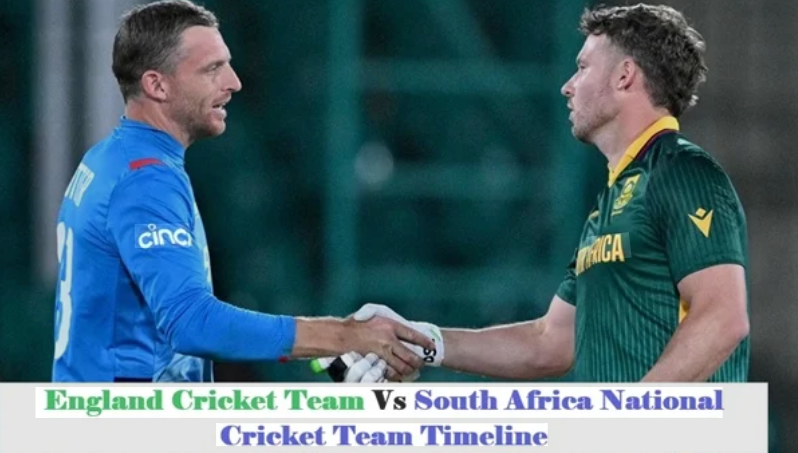
England Cricket Team Vs South Africa National Cricket Team Timeline represents one of the most competitive and emotional rivalries in international cricket history. From historic Test matches on difficult pitches to high pressure World Cup clashes, both teams have produced unforgettable moments filled with drama, aggression, and tactical brilliance. England traditionally relied on discipline, patience, and strong batting depth, while South Africa built a reputation for fearless fast bowling and fighting spirit. Over the decades, legendary players, political controversies, and thrilling finishes shaped this rivalry into a global attraction. Every match carried pride, pressure, and expectation, making their contests memorable for cricket fans who value intensity, skill, and historic scorecards across every format.
Latest Matches Table
Date
Venue
Format
Winner
Margin
10 September 2025
Cardiff
T20I
South Africa
14 runs
07 September 2025
Southampton
ODI
England
342 runs
04 September 2025
London
ODI
South Africa
5 runs
02 September 2025
Leeds
ODI
South Africa
7 wickets
21 June 2024
Gros Islet
T20I
South Africa
7 runs
All-Time Head-to-Head Record Table
Format
Matches Played
England Won
South Africa Won
Tied / No Result / Drawn
Test
156
66
35
55
ODI
74
31
37
6
T20I
28
13
14
1
All-Time Batting Leaders Table
Player
Team
Matches
Total Runs
Highest Score
Jacques Kallis
South Africa
66
3634
182
Graeme Smith
South Africa
52
3121
259
Hashim Amla
South Africa
48
2908
311
Joe Root
England
45
2445
180
Kevin Pietersen
England
37
2118
186
All-Time Bowling Leaders Table
Player
Team
Matches
Total Wickets
Best Bowling
James Anderson
England
49
142
5/40
Shaun Pollock
South Africa
56
134
6/30
Stuart Broad
England
41
121
6/17
Dale Steyn
South Africa
35
114
5/51
Makhaya Ntini
South Africa
40
108
6/94
Early Battles Across Continents
The rivalry started during the early years of Test cricket when England toured South Africa with confidence and authority. South Africa, however, slowly built a fighting spirit that surprised many cricket experts. Matches were played on difficult pitches where bowlers often controlled the game for long periods. England relied on experience and discipline, while South Africa played with raw energy and determination. Crowds in Johannesburg and Cape Town created loud atmospheres as local fans waited for memorable victories. Several scorecards from this era showed low totals, dramatic batting collapses, and long bowling spells that tested player fitness. These contests helped South Africa develop belief against stronger opponents. England still won many games, but the competitive gap slowly became smaller. The rivalry was no longer only about results because it also became a battle of pride, patience, and cricket intelligence. Those early contests built the emotional foundation of one of cricket’s most respected international rivalries.
1889
Port Elizabeth
England Win
Low Scoring Match
1896
Johannesburg
England Win
Strong Bowling
1906
Cape Town
South Africa Win
Historic Victory
1907
Durban
South Africa Win
Spin Dominance
1910
Johannesburg
Draw
Tough Pitch Battle
The Political Storm Around Cricket
Cricket between these nations changed dramatically during the apartheid period when political pressure entered the sport. The Basil D’Oliveira controversy became one of the most emotional moments in cricket history. England faced criticism after tensions grew regarding South Africa’s racial policies. Fans across the world debated whether cricket should continue during such difficult times. The rivalry suddenly carried political weight far beyond the boundary line. Players were placed under pressure from governments, cricket boards, and supporters. Tours were cancelled, relationships became strained, and the cricketing world divided into different opinions. Even though matches stopped for years, memories of earlier battles remained alive among supporters. Many former players admitted that cricket could never fully separate itself from global politics during this era. The silence between the two teams created anticipation for a future return. When discussions about international cricket resumed years later, emotions surrounding this rivalry were stronger than ever before.
1968
Tour Cancelled
Political Crisis
Global Debate
Basil D’Oliveira
England Player
Major Controversy
Historic Impact
Apartheid Era
Cricket Isolation
International Pressure
Long Absence
Fan Reactions
Worldwide Attention
Emotional Responses
Divided Opinions
Return Talks
Late Discussions
Hope for Cricket
Rivalry Revival
The Return That Reignited Old Emotions
South Africa’s return to international cricket brought excitement and emotional energy back into the rivalry. Fans filled stadiums again as both teams prepared for highly competitive matches during the 1990s. South Africa returned with a talented squad featuring disciplined bowlers and smart tactical planning. England understood that the challenge would now be much harder than before. The rivalry immediately became intense because every match carried historical meaning. Fast bowlers attacked aggressively, fielders celebrated loudly, and batsmen faced enormous pressure from hostile conditions. Hansie Cronje played a major role in building a fearless South African approach. England responded with experienced players who focused on patience and strong partnerships. Television audiences around the world followed these contests closely because the rivalry felt fresh and unpredictable again. Every scorecard reflected tension, tactical planning, and emotional cricket. The return period transformed the rivalry into one of the most watched contests in international cricket.
1991
South Africa Return
International Comeback
Historic Series
Hansie Cronje
Tactical Captain
Aggressive Mindset
Smart Leadership
Allan Donald
Fast Bowling Threat
England Pressure
Fearsome Pace
England Squad
Experienced Core
Tactical Cricket
Balanced Team
Fan Atmosphere
Packed Stadiums
Emotional Return
Global Attention
Fast Bowling Wars and Mind Games
The rivalry entered a fierce stage during the late 1990s and early 2000s when fast bowlers dominated matches. England and South Africa both produced aggressive pace attacks capable of changing games within a single session. Allan Donald, Shaun Pollock, Andrew Flintoff, and Darren Gough became central figures in dramatic contests. Batsmen faced constant pressure because conditions often supported seam movement and bounce. Sledging became common as players attempted to gain mental advantages during long Test matches. Captains used aggressive field placements to create panic and force mistakes. Supporters enjoyed the emotional intensity because every wicket celebration carried visible passion. Some matches ended with narrow victories after tense final day battles. Others finished dramatically after batting collapses shocked crowds. This period also introduced stronger media coverage, which increased public attention around player rivalries and tactical decisions. The aggressive style of cricket created unforgettable scorecards filled with pressure moments and outstanding bowling performances.
Allan Donald
South Africa
Fast Bowling
Match Winner
Andrew Flintoff
England
All Round Skill
Aggressive Cricket
Shaun Pollock
South Africa
Accuracy
Tactical Pressure
Darren Gough
England
Swing Bowling
Crowd Favorite
Test Series
Intense Battles
Final Day Drama
Close Results
White Ball Cricket Changed Everything
One day cricket and T20 matches completely transformed the rivalry between these teams. England adopted an attacking batting style that focused on fearless stroke play and aggressive run scoring. South Africa answered with powerful hitters capable of dominating bowling attacks in every phase of the game. AB de Villiers became one of the most dangerous players in white ball cricket because of his creativity and shot selection. England developed strong depth in batting, allowing them to chase large targets with confidence. Tactical decisions became more complex as captains adjusted field placements, bowling changes, and powerplay strategies. Fans loved the entertainment because matches regularly produced huge totals and dramatic finishes. World Cup meetings increased the pressure even further because knockout cricket demanded perfect performances. Every mistake became costly under tournament pressure. White ball contests added speed, unpredictability, and excitement to the rivalry while creating unforgettable scorecards filled with boundaries and record partnerships.
AB de Villiers
South Africa
Explosive Batting
Match Changer
England Attack
Aggressive Batting
High Run Rate
Fearless Style
World Cup Games
Pressure Matches
Massive Crowds
Intense Atmosphere
T20 Cricket
Fast Tempo
Big Scores
Modern Rivalry
Tactical Changes
Smart Captaincy
Powerplay Focus
Key Decisions
Legendary Players Who Defined the Era
Several legendary players shaped this rivalry through consistent performances and unforgettable moments. Jacques Kallis earned respect for his balanced all round ability and calm temperament under pressure. Dale Steyn terrified batting lineups with extreme pace, movement, and aggression during crucial matches. Joe Root became England’s dependable run scorer across formats with excellent concentration and technical control. Ben Stokes added emotional intensity through match winning performances in difficult situations. Kagiso Rabada continued South Africa’s fast bowling tradition with fiery spells and aggressive celebrations. Kevin Pietersen’s storyline also attracted attention because he represented England against the country of his birth. Every major series featured personal battles between batsmen and bowlers that influenced results. Fans passionately supported their favorite stars while media coverage increased pressure on players. These individuals elevated the rivalry through skill, personality, and competitive spirit. Their performances created scorecards that cricket fans still remember and discuss years later.
Jacques Kallis
All Rounder
Consistent Performer
Match Control
Dale Steyn
Fast Bowler
Extreme Pace
Fearless Spell
Joe Root
Top Order Batter
Reliable Scoring
Calm Leadership
Ben Stokes
Match Winner
Aggressive Style
Big Moments
Kagiso Rabada
Strike Bowler
High Intensity
Wicket Taking
Rivalry Legacy in Modern Cricket
The rivalry continues to influence modern cricket because both teams constantly evolve with new talent and fresh tactical ideas. England changed the way many teams approach aggressive batting in limited overs cricket. South Africa maintained its tradition of producing world class fast bowlers capable of dominating strong batting lineups. Modern contests between these teams remain highly competitive because neither side easily accepts defeat. Fans continue to expect emotional moments, dramatic finishes, and memorable individual performances whenever these nations meet. Cricket experts often describe this rivalry as one built on respect mixed with fierce competition. Historic scorecards, controversial moments, and legendary performances remain important parts of cricket history. Younger players entering the rivalry understand the pressure and expectation created by earlier generations. Every new series adds another chapter to a timeline filled with intensity and unforgettable cricket. The legacy of these battles ensures that future matches will always attract global attention from passionate cricket supporters.
Modern Era
Aggressive Cricket
Tactical Innovation
Global Audience
England Style
Fearless Batting
High Scoring Games
Entertainment
South Africa Pace
Strong Fast Bowlers
Pressure Bowling
Key Strength
Fan Support
Emotional Rivalry
Packed Stadiums
Loud Atmosphere
Historic Legacy
Memorable Matches
Iconic Players
Lasting Impact
Conclusion
The rivalry between these two cricket nations continues to stand among the most respected battles in world cricket. Every era added new heroes, unforgettable scorecards, and emotional moments that strengthened the competition between both sides. From classic Test encounters to explosive T20 matches, the rivalry constantly evolved with changing tactics and modern playing styles. Legendary performers delivered match winning innings, dangerous bowling spells, and iconic partnerships that cricket supporters still discuss today. Fans from both countries passionately followed every contest because the results often reflected more than just cricket. The timeline of these encounters proves how strong competition, mutual respect, and historic performances can create a rivalry that remains important across generations.