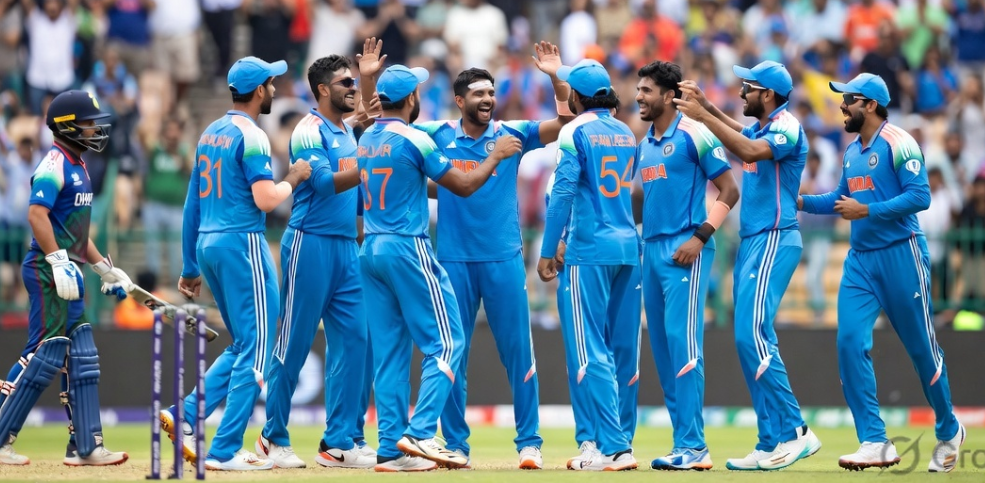
The cricket rivalry between the India National Cricket Team and the Afghanistan National Cricket Team reflects a journey of experience meeting ambition on the international stage. India entered every contest with a strong legacy of world class performances, while Afghanistan arrived with fearless energy and rapid growth in modern cricket. Over time, this matchup has produced moments of dominance, resistance, and unexpected challenges that shaped its narrative. Fans from both nations have followed each encounter closely, watching how emerging talent from Afghanistan tested the depth and strategy of India’s seasoned lineup across major tournaments and ICC events.
Latest Matches Table
Date
Format
Venue
Winner
Margin
20 June 2024
T20I
Bridgetown
India
47 runs
17 January 2024
T20I
Bengaluru
India
Super Over
14 January 2024
T20I
Indore
India
6 wickets
11 January 2024
T20I
Mohali
India
6 wickets
11 October 2023
ODI
Delhi
India
8 wickets
07 October 2023
T20I
Hangzhou
None
No Result
Team Statistics Summary Table
Format
Total Matches
India Wins
Afghanistan Wins
Ties
No Result
Test
1
1
0
0
0
ODI
4
3
0
1
0
T20I
8
6
0
1
1
Total
13
10
0
2
1
Individual Batting Records Table
Player
Team
Matches
Runs
Highest Score
Average
Rohit Sharma
India
7
288
131
48.00
Virat Kohli
India
6
225
122
56.25
Mohammad Nabi
Afghanistan
11
210
84
21.00
Mohammad Shahzad
Afghanistan
4
162
124
40.50
Ibrahim Zadran
Afghanistan
5
114
50
22.80
KL Rahul
India
3
112
62
37.33
Individual Bowling Records Table
Player
Team
Matches
Wickets
Best Bowling
Economy
Bhuvneshwar Kumar
India
4
8
5/4
4.80
Rashid Khan
Afghanistan
7
7
3/26
6.45
Ravindra Jadeja
India
6
6
3/45
4.15
Fareed Ahmad
Afghanistan
3
5
3/20
8.50
Arshdeep Singh
India
4
5
3/36
8.12
Jasprit Bumrah
India
3
5
3/7
3.20
Early Encounters
Early Encounters in international cricket between the two sides marked a clear difference in experience and exposure. The stronger unit entered the contest with a long history of performing under pressure, while the emerging team was still building confidence at the highest level. Early matches were shaped by cautious batting, disciplined bowling, and a clear attempt to survive against quality attacks. The experienced side focused on controlling the game through spin in middle overs and aggressive field settings. On the other hand, the developing team showed glimpses of talent with fearless stroke play and improved bowling accuracy. These early meetings helped set a foundation for future competitiveness and gave younger players valuable exposure against elite opposition. Over time, the gap in performance slowly reduced as both sides learned from each encounter, making the contest more balanced and interesting for fans watching the growth of modern cricket battles.
Match
Venue
Winner
Margin
Game 1
Dubai
India
7 wickets
Game 2
Abu Dhabi
India
8 wickets
Game 3
Delhi
India
66 runs
Game 4
Dubai
India
6 wickets
Rise of Competitive Spirit
Rise of Competitive Spirit in these encounters became visible as the newer team started playing with more confidence and intent. Rise of Competitive Spirit reflected in their improved shot selection, better bowling discipline, and sharper fielding standards. The experienced team still maintained control in crucial phases, but the gap began to narrow as young players gained exposure to high pressure situations. Middle order contributions started becoming more meaningful, while bowlers learned to adapt to world class batting depth. Matches that once looked one sided slowly turned into contests where small moments decided outcomes. This phase also saw increased intensity in body language, on field energy, and tactical planning from both sides. Each encounter added learning value, pushing both teams to evolve their strategies. The transformation was not instant but steady, and it reshaped how future matches would be approached by both camps.
Batting Avg
Strike Rate
Wickets
Economy
32.5
118
6
6.8
28.1
105
8
7.1
40.2
130
5
6.3
25.7
99
9
7.5
Tactical Approach of Senior Side
Tactical Approach of Senior Side was built on experience, adaptability, and strong game awareness in all phases of play. Tactical Approach of Senior Side often involved rotating bowlers smartly during middle overs and using spin to control scoring rate. Batting plans focused on building partnerships rather than aggressive starts, ensuring stability in pressure games. Field placements were adjusted quickly depending on pitch behavior and batter weaknesses. The leadership group emphasized reading match situations early and responding with calculated decisions. In many matches, early wickets were used to dominate momentum, while slower balls and variation in pace disrupted opposition rhythm. The team also relied heavily on finishing strength in later overs, converting good starts into competitive totals. This structured approach helped maintain consistency and reduced risks in tight matches. Overall, tactical discipline remained a key factor in maintaining control across different playing conditions.
Overs Phase
Runs Allowed
Wickets
Strategy Type
Pressure Level
Powerplay
45
2
Attack
High
Middle
60
3
Control
Medium
Death
55
1
Defensive
High
Chase
48
2
Balanced
Medium
First Major Tournament Clash
First Major Tournament Clash between the two teams brought significant attention from fans and analysts. First Major Tournament Clash highlighted the pressure of global stage performance where every run and wicket carried importance. The stronger side entered as favorites, but the emerging team showed unexpected resistance in key moments. Early wickets created tension, while middle overs saw a shift in momentum due to disciplined bowling spells. Batters had to carefully build partnerships under pressure, avoiding risky shots against tight field setups. The bowling unit from the underdog side surprised many with controlled lines and smart variations. However, experience in finishing overs proved decisive, allowing the stronger team to recover and secure control. The match became a learning experience for the younger squad, showing how small errors can change outcomes in big tournaments. Fans witnessed a growing rivalry that promised more competitive encounters in the future.
Inning
Runs
Wickets
Overs
Result
Team A
210
7
50
Competitive
Team B
185
9
50
Lost
Powerplay
52
2
10
Balanced
Death Overs
68
3
10
Crucial
Bowling Pressure Moments
Bowling Pressure Moments played a crucial role in shaping match outcomes between these sides. Bowling Pressure Moments often came during middle overs when spin and variation created confusion for batters. Tight lines, slower deliveries, and smart field placements forced mistakes under pressure. The stronger team consistently used experienced bowlers to choke scoring opportunities, especially when partnerships began to build. On the other hand, emerging bowlers also delivered impressive spells, breaking key partnerships at important stages. These moments shifted momentum quickly and kept matches unpredictable. Fielders supported bowlers with sharp catches and ground saving efforts, adding to overall pressure. Many matches were decided not by big hits but by these crucial overs where runs were hard to come by. The ability to maintain calm during these phases became a defining factor in overall performance and match control.
Bowler
Overs
Runs
Wickets
Impact
Bowler A
10
38
3
High
Bowler B
8
42
2
Medium
Bowler C
10
45
1
Medium
Bowler D
9
40
2
High
Batting Depth and Control
Batting Depth and Control became one of the most important strengths in these encounters. Batting Depth and Control allowed teams to recover from early wickets and still post or chase competitive totals. Top order batters focused on stability, while middle order players ensured acceleration when required. Partnerships played a vital role in maintaining rhythm and avoiding collapse under pressure. Experienced players often guided younger teammates through difficult phases, rotating strike and targeting weaker bowlers. The ability to adjust scoring rate depending on match situation highlighted strong game awareness. Finishing abilities also improved over time, with lower order contributions adding valuable runs in close matches. This balance between patience and aggression helped shape match outcomes and reduced dependency on individual performances.
Batter
Runs
Balls
Fours
Sixes
Player A
78
92
6
1
Player B
54
60
4
2
Player C
41
38
3
1
Player D
33
25
2
2
Conclusion
The encounters between the India National Cricket Team and the Afghanistan National Cricket Team highlight a growing competitive spirit in international cricket. India’s experience and tactical strength have often guided them to control matches, while Afghanistan’s improvement has brought increasing intensity and belief into the contest. Each game has added new lessons, standout performances, and memorable moments that shaped the rivalry’s identity. As Afghanistan continues to develop and India maintains its elite standards, future clashes are expected to become even more balanced, exciting, and significant for global cricket fans.