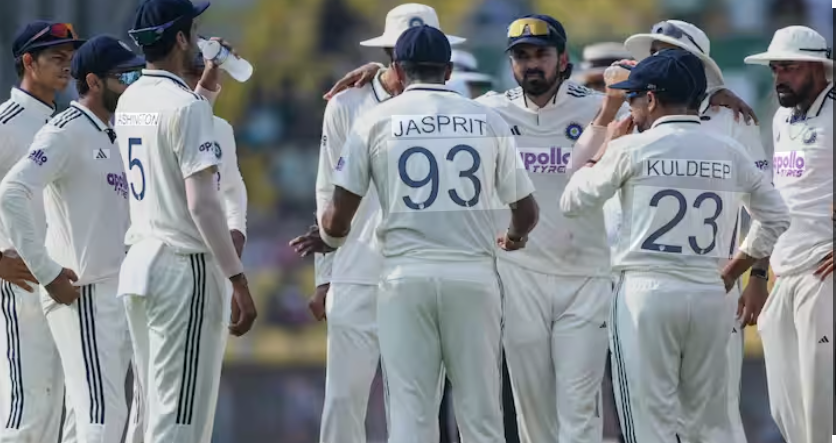
Tamil Nadu Cricket Team Vs Baroda Cricket Team Match Scorecard history reflects one of the most competitive and tactically rich rivalries in Indian domestic cricket. Over the years, both teams have produced unforgettable performances filled with pressure moments, dramatic partnerships, disciplined bowling spells, and emotional victories. Tamil Nadu became known for structured cricket and spin dominance, while Baroda earned respect for fearless batting and aggressive intent. Their clashes across Ranji Trophy and limited overs tournaments created memorable scorecards that fans still discuss today. Every encounter added a new chapter to the rivalry, turning ordinary domestic fixtures into contests driven by pride, strategy, consistency, and the desire to dominate strong opposition.
Latest Matches
Date
Tournament
Venue
Result
29 Jan 2026
Ranji Trophy
Salem
Match Drawn
11 Nov 2024
Ranji Trophy
Chennai
Match Drawn
03 Dec 2023
Vijay Hazare Trophy
Mumbai
Tamil Nadu won by 38 runs
09 Dec 2021
Vijay Hazare Trophy
Thiruvananthapuram
Tamil Nadu won by 54 runs
31 Jan 2021
Syed Mushtaq Ali Trophy
Ahmedabad
Tamil Nadu won by 7 wickets
All-Time Head-to-Head Record
Format
Matches Played
Tamil Nadu Wins
Baroda Wins
Draws/No Result
First Class (Ranji Trophy)
12
3
2
7
List A (Vijay Hazare Trophy)
9
6
3
0
T20 (Syed Mushtaq Ali Trophy)
5
3
2
0
All-Time Batting Leaders
Player Name
Team
Runs Scored
Highest Score
Matches
Dinesh Karthik
Tamil Nadu
412
125
11
Baba Aparajith
Tamil Nadu
389
111
9
Krunal Pandya
Baroda
345
113
8
Ambati Rayudu
Baroda
298
94
6
N Jagadeesan
Tamil Nadu
276
102
7
All-Time Bowling Leaders
Player Name
Team
Wickets Taken
Best Bowling
Economy/Average
Sai Kishore
Tamil Nadu
24
5 for 44
2.85
Bhargav Bhatt
Baroda
21
6 for 82
3.10
Sandeep Warrier
Tamil Nadu
18
4 for 32
3.42
Atit Sheth
Baroda
15
4 for 51
4.15
Lukman Meriwala
Baroda
14
3 for 22
4.80
The Quiet Beginning Between Two Domestic Giants
Tamil Nadu Cricket Team Vs Baroda Cricket Team Match Scorecard history started quietly during the early years of Indian domestic cricket, but the rivalry slowly developed into one of the most technically balanced contests in the domestic circuit. Tamil Nadu entered most tournaments with a reputation for discipline, structured batting, and intelligent spin bowling, while Baroda carried the fearless attitude of a side willing to challenge stronger teams with attacking cricket. Their early matches were less about aggression and more about patience, survival, and tactical awareness. Several Ranji Trophy scorecards between the two teams reflected low scoring battles where bowlers dominated entire sessions. Senior players from both dressing rooms often spoke about how difficult it was to break partnerships because both sides valued wicket preservation. Fans were not yet emotionally attached to the rivalry, but experienced followers of domestic cricket already sensed a competitive edge developing. Tamil Nadu relied heavily on control and consistency, while Baroda looked for momentum through positive stroke play. Those early meetings created the foundation of a rivalry that would later produce pressure moments, emotional contests, and unforgettable domestic cricket scorecards across multiple tournaments.
1980s Era
Ranji Trophy Matches
Bowling Dominance
Tactical Cricket
Rivalry Growth
Tamil Nadu Discipline
Baroda Resistance
Low Scoring Games
Long Partnerships
Balanced Competition
Spin Friendly Pitches
Defensive Batting
Patience Tested
Tight Sessions
Respectful Rivalry
Senior Cricketers
Slow Match Tempo
Controlled Bowling
Careful Captaincy
Domestic Recognition
Traditional Cricket
Hard Earned Runs
Tactical Awareness
Field Placement Focus
Competitive Spirit
Early Ranji Trophy Battles That Built Competitive Fire
The early Ranji Trophy clashes between Tamil Nadu and Baroda slowly transformed the rivalry from a routine domestic fixture into a battle of endurance and pride. Tamil Nadu often approached these matches with calculated patience, building innings through technically compact batters capable of surviving long bowling spells. Baroda, however, preferred counterattacking cricket even in difficult conditions, which created an interesting contrast in playing philosophy. Several Tamil Nadu Cricket Team Vs Baroda Cricket Team Match Scorecard records from this phase show dramatic momentum swings caused by collapses after strong starts. On dusty surfaces, Tamil Nadu’s spin attack frequently tightened pressure during middle sessions, while Baroda attempted to escape through aggressive shot selection. The rivalry gained competitive fire because neither team wanted to surrender control easily. Captains became increasingly animated, fielders celebrated wickets with visible intensity, and fans began discussing these contests beyond local cricket circles. Partnerships often carried emotional value because every run demanded discipline. Bowlers earned respect through relentless accuracy rather than raw pace. These matches did not always produce massive totals, but they consistently produced psychological battles that strengthened the identity of the rivalry and prepared both teams for future high pressure domestic encounters.
Ranji Trophy Era
Match Situation
Tactical Focus
Pressure Moments
Rivalry Impact
Long Red Ball Games
Slow Pitches
Spin Pressure
Batting Collapses
Growing Intensity
Defensive Techniques
Counterattacking Intent
Session Control
Close Scorecards
Emotional Contests
Patience Driven Cricket
Aggressive Recovery
Bowling Accuracy
Captain Reactions
Competitive Identity
Traditional Rivalry
Momentum Swings
Field Discipline
Hard Earned Runs
Domestic Importance
Baroda’s Fearless Batting Identity Started Changing the Contest
Baroda slowly changed the nature of the rivalry once their batting unit adopted a more fearless and attacking style across domestic tournaments. Earlier matches had usually moved at a controlled pace, but Baroda’s aggressive intent forced Tamil Nadu to rethink traditional defensive tactics. Tamil Nadu Cricket Team Vs Baroda Cricket Team Match Scorecard trends from this period show rising run rates, faster partnerships, and middle order acceleration becoming common features. Baroda batters started attacking spinners early instead of waiting for loose deliveries, which disrupted Tamil Nadu’s rhythm and reduced bowling control. This fearless batting philosophy added unpredictability to the rivalry because matches could suddenly shift direction within a single session. Tamil Nadu responded by improving field placement flexibility and introducing more variation through slower deliveries and sharper spin angles. Fans became emotionally invested because Baroda’s aggressive cricket created thrilling scorecards and pressure filled finishes. Several bowlers who once dominated comfortably now faced constant attacking intent from the first over. The rivalry no longer depended only on patience and survival. It became faster, louder, and emotionally charged. Baroda’s confidence transformed ordinary domestic fixtures into highly anticipated contests filled with tactical risk and entertainment value.
Baroda Aggression
Tamil Nadu Response
Match Tempo
Tactical Changes
Fan Reaction
Faster Run Rates
Spin Variations
Rapid Sessions
Flexible Fields
Growing Excitement
Attacking Stroke Play
Bowling Adjustments
Momentum Shifts
Tactical Pressure
Emotional Support
Middle Order Power
Defensive Planning
Higher Totals
Captaincy Changes
Competitive Drama
Fearless Cricket
Strategic Spin Use
Quick Partnerships
Aggressive Intent
Rivalry Expansion
Tamil Nadu’s Spin Culture and Control Over Pressure Situations
Tamil Nadu built much of their domestic success around disciplined spin bowling, and that strength became one of the defining features of the rivalry against Baroda. Tamil Nadu Cricket Team Vs Baroda Cricket Team Match Scorecard records frequently highlight how Tamil Nadu spinners controlled middle overs and slowed scoring opportunities during pressure situations. Their bowlers understood angles, flight, and patience better than most domestic teams, allowing them to dominate even when pitches offered limited assistance. Baroda often entered matches with attacking intent, but Tamil Nadu’s calm approach forced batters into risky decisions. Captains trusted spin combinations not only for wickets but also for controlling match rhythm and mental pressure. During tense moments, field placements became tighter, singles disappeared, and frustration slowly built inside the opposition camp. Tamil Nadu’s spin culture also reflected strong cricket intelligence because bowlers adapted quickly to batter weaknesses and changing conditions. Fans appreciated the tactical beauty behind these performances, especially when matches shifted through subtle bowling changes rather than dramatic collapses. Many unforgettable scorecards in the rivalry were shaped by long spin spells that slowly drained Baroda’s momentum and restored Tamil Nadu’s authority in difficult contests.
Spin Dominance
Match Situation
Tactical Strength
Pressure Creation
Result Impact
Flight And Turn
Middle Overs Control
Tight Fielding
Batter Frustration
Momentum Recovery
Bowling Discipline
Slow Conditions
Smart Variations
Risky Shot Selection
Wicket Opportunities
Experienced Spinners
Pressure Sessions
Match Awareness
Controlled Tempo
Tactical Success
Cricket Intelligence
Defensive Accuracy
Captain Support
Mental Pressure
Rivalry Influence
The Match That Turned a Respectful Contest Into a Real Rivalry
Every strong rivalry eventually reaches a moment where respect transforms into emotional competition, and Tamil Nadu versus Baroda experienced that shift during a tense domestic encounter that completely changed the atmosphere between both sides. Tamil Nadu Cricket Team Vs Baroda Cricket Team Match Scorecard details from that contest reflected pressure in every innings. Wickets fell regularly, partnerships became emotional battles, and players celebrated breakthroughs with unusual intensity. The match remained close until the final phase, creating visible tension among supporters and team management. Tamil Nadu attempted to maintain calm through disciplined cricket, while Baroda responded with aggressive body language and fearless batting under pressure. Verbal exchanges between players increased, appeals became louder, and every run carried importance. Fans from both regions started treating the rivalry with greater passion because the contest felt personal rather than routine. The scorecard alone could not fully explain the emotional energy inside the game. Bowlers attacked relentlessly, captains constantly adjusted fields, and batters played with visible determination. From that moment onward, future encounters between the two sides carried added intensity because both teams now believed they had something meaningful to prove whenever they faced each other.
Rivalry Turning Point
Match Pressure
Emotional Moments
Tactical Reactions
Fan Emotions
Close Scorecards
Intense Sessions
Loud Appeals
Aggressive Fields
Regional Pride
Competitive Energy
Falling Wickets
Player Reactions
Constant Adjustments
Emotional Investment
High Pressure Cricket
Tight Run Chase
Visible Tension
Captain Decisions
Growing Rivalry
Psychological Battle
Final Session Drama
Celebration Intensity
Tactical Risks
Strong Fan Support
Captaincy Chess Battles and Tactical Mind Games
One of the most fascinating aspects of the Tamil Nadu Cricket Team Vs Baroda Cricket Team Match Scorecard rivalry has been the battle between captains who constantly searched for tactical advantages during pressure situations. Matches between these sides often became strategic contests where field placements, bowling changes, and batting order decisions influenced momentum more than raw talent alone. Tamil Nadu captains usually focused on patience, defensive structure, and forcing mistakes through pressure accumulation. Baroda leaders preferred attacking tactics, surprise bowling rotations, and aggressive field settings designed to break partnerships quickly. These contrasting approaches created fascinating cricket because both teams attempted to control the emotional rhythm of the match. Captains regularly delayed new ball usage, protected weaker bowlers cleverly, and introduced part time options during critical moments. Fans who followed domestic cricket closely appreciated the intelligence behind these tactical battles because every session contained subtle adjustments. Some scorecards appeared balanced statistically, yet captaincy decisions completely changed the result. A single bowling change or field trap often shifted pressure dramatically. The rivalry earned respect not only for emotional intensity but also for the high level of cricket intelligence displayed by both teams throughout different domestic competitions.
Captaincy Style
Tactical Approach
Match Influence
Bowling Decisions
Strategic Impact
Tamil Nadu Patience
Defensive Planning
Session Control
Spin Rotations
Pressure Building
Baroda Aggression
Attacking Fields
Momentum Changes
Surprise Variations
Risk Taking
Smart Leadership
Tactical Awareness
Match Direction
Bowling Flexibility
Competitive Advantage
Strategic Cricket
Field Adjustments
Partnership Breaking
Calculated Moves
Rivalry Depth
Player Rivalries That Fans Still Remember
Every memorable cricket rivalry eventually becomes defined by individual player battles, and Tamil Nadu versus Baroda produced several contests that fans still discuss years later. Tamil Nadu Cricket Team Vs Baroda Cricket Team Match Scorecard archives contain repeated battles between technically strong batters and disciplined bowlers who constantly challenged each other under pressure. Some Baroda batters attacked spin aggressively, while Tamil Nadu bowlers responded with smarter variations and tighter lines. Certain matchups became psychological contests because players studied each other carefully across multiple seasons. Fans emotionally connected with these rivalries because they represented pride, confidence, and competitive spirit beyond team totals alone. Fast bowlers celebrated wickets passionately, senior batters answered with calm resistance, and younger players entered the rivalry eager to prove themselves. These personal contests also influenced captaincy decisions because field placements and bowling strategies often revolved around key player battles. Domestic supporters remembered not only centuries and wickets but also moments of tension, survival, and emotional reactions after crucial dismissals. Some scorecards became famous mainly because of individual duels that shifted momentum dramatically. Those player rivalries added personality and emotional depth to the broader Tamil Nadu versus Baroda cricket story.
Player Battles
Match Impact
Tactical Focus
Emotional Moments
Fan Interest
Batter Vs Spinner
Momentum Swings
Bowling Variations
Aggressive Celebrations
High Excitement
Senior Player Duels
Pressure Sessions
Field Adjustments
Competitive Energy
Strong Support
Psychological Battles
Crucial Wickets
Strategic Planning
Emotional Reactions
Rivalry Memory
Individual Brilliance
Match Turning Points
Captain Decisions
High Intensity
Domestic Popularity
Conclusion
Tamil Nadu Cricket Team Vs Baroda Cricket Team Match Scorecard contests continue to represent the true spirit of Indian domestic cricket. From patient red ball battles to aggressive white ball clashes, the rivalry has evolved through changing generations, tactical improvements, and unforgettable individual performances. Both teams have shaped each other’s cricketing identity through years of intense competition and closely fought matches. The rivalry remains respected because it combines technical skill, emotional pressure, and strategic intelligence in equal measure. Fans continue to follow these encounters with passion, knowing every new match can deliver another dramatic chapter filled with turning points, iconic performances, and memorable scorecards in domestic cricket history.